Benefits of Companion Planting a Vegetable Garden
Using companion planting in your vegetable garden will help you overcome the many challenges of organic vegetable gardening, including pest and disease control
Tips and tricks to make your veggies grow effortlessly
Using companion planting in your vegetable garden will help you overcome the many challenges of organic vegetable gardening, including pest and disease control
As a gardener, knowing which family a vegetable plant belongs to can be very helpful because the conditions needed for optimum growth, nutrients absorbed, and care required for plants in a particular family are usually similar.
The benefits of growing your own vegetables at home range from saving money and eating organic to improving your health and reducing food waste. Start your own vegetable garden today!”
Encouraging a natural balance between soil organisms is not only essential to build up healthy soil, but it can also make gardening amazingly easy because soil biodiversity will do most of the work for you. Each soil organism performs specific functions that contributes to soil health.
How plants work: the science behind the amazing things plants do is a book for the curious gardener. This book explains why certain common gardening practices are unnecessary and can even be harmful to plants by demonstrating the inner workings of plants.
Mulching can save you time, money, and a lot of effort by creating a vegetable garden that needs less watering and weeding, with minimal nutrient loss.
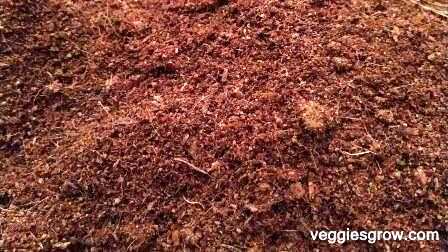
Coco peat can be used to germinate seeds, as a substrate for container-grown vegetables, and as a soil amendment to help you grow more productive vegetable plants
Vegetable plants, especially container-grown plants, can easily be affected by calcium deficiency, even when they have access to enough calcium.
Spider mites are microscopic and barely visible but they can feed on almost all types of vegetable plants and can severely damage them