
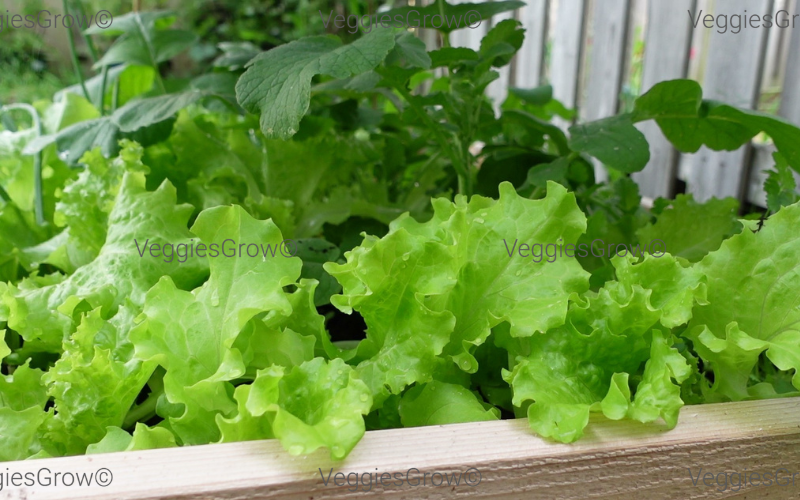
Lettuce is one of the easiest plants to grow in your vegetable garden. They can be grown on the ground, in raised bed or in containers. They grow quickly and can be harvested as soon as the leaves are large enough.
When to grow lettuce
Lettuce is a cool season vegetable that loves light sunlight. It can be planted as soon as their is no risk of frost and can be grown until warm summer days arrive. Lettuce can also be grown after summer heat has gone away but before the first frost.
Starting lettuce seeds
Lettuce seeds are light weight elogated seeds that need a lot of light to get growing.
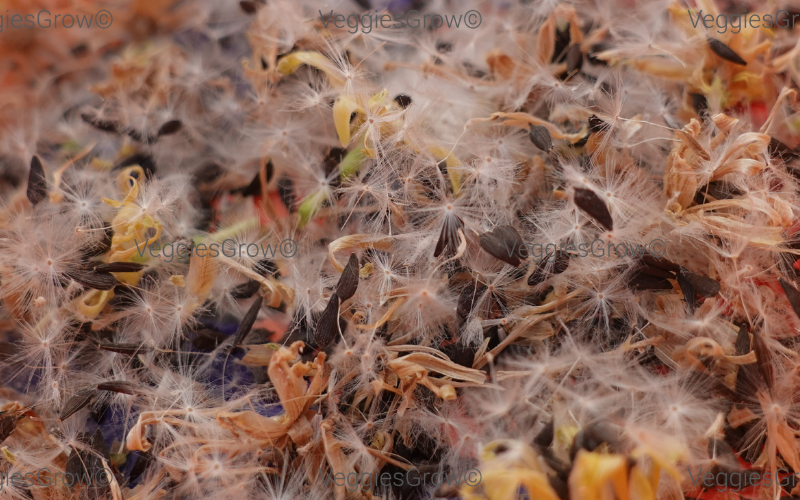
Lettuce seeds are dark brown and elogated. They are dispersed by the wind and have a feather-like propeller attatched to them on the plant. If you buy the seeds, it is unlikely for the propeller to be still attached.
To start lettuce seeds, you can first gently disturb the top of the soil. Then, sprinkle the seeds on the soil. Finally, gently cover the seeds with a thing layer of soil. You can either start the seeds indoors and then transplant them outside or directly plant them outdoors.
Lettuce seedlings will emerge in about 3-10 days depending on the temperature. Once the seedlings have emerged you may have to tranplant at least some of the seedlings to space them atleast 4-6 inches apart depending on the variety you’re growing.
Harvesting lettuce
You can start harvesting lettuce by cutting off the outer leaves as soon as they are large enough to eat. Once they are large enough or the weather starts to get too warm you can harvest the entire plant.
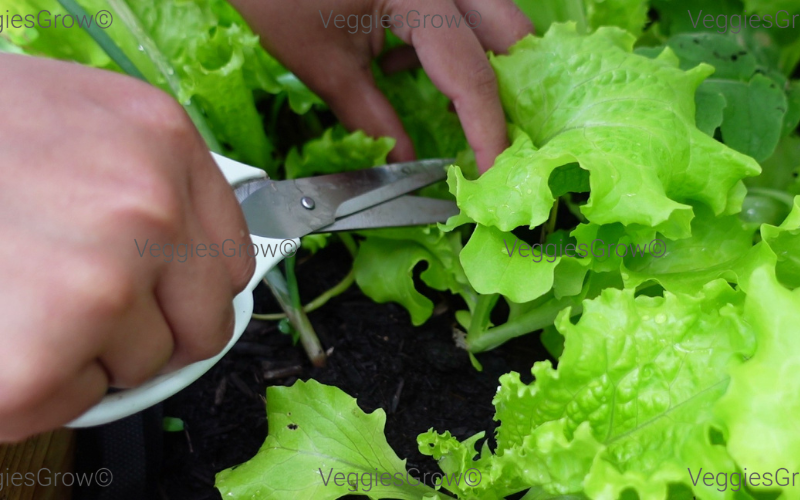
Lettuce leaves growing on the outside can be harvested as soon as they are large enough
Pests of lettuce
Lettuce can be affected by many types of pests. Aphids, caterpillers, including armyworms and cutworms, as well as snails and slugs. In addition, larger pests like squirrels and rodents can disturb lettuce plants by digging the soil around them.
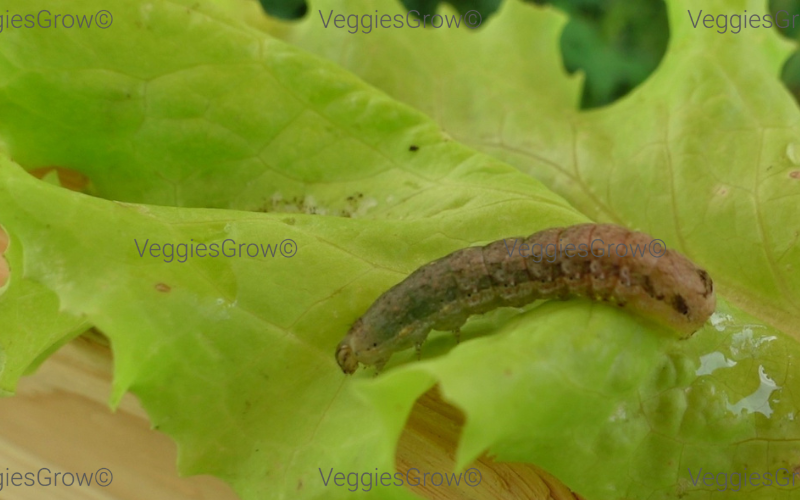
Cutworm on a lettuce plant
To stop these pests from destroying your lettuce plants, you can cover your plants with thin netting and not using harsh chemicals to encouraging predators of pests to naturally control pests, as much as possible.
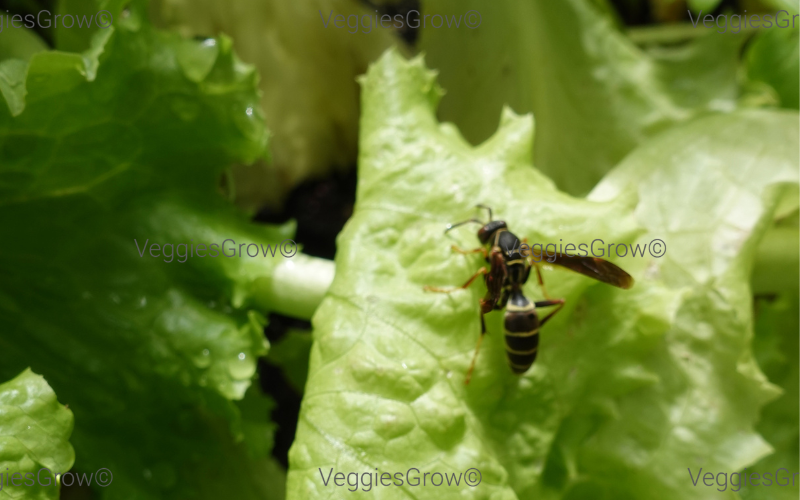
Encouraging pests into the garden by not using harsh chemicals can help control pests on lettuce
Bolting
Once high summer temperatures are reached, you will notice your lettuce leaves producing milk if you cut the leaves, while the plant will start to grow taller. This is known as bolting. Once your lettuce plant starts to bolt, the leaves become too bitter to eat. As soon as you notice one of your lettuce plants starting to bolt, you should harvest all your remaining lettuce plants you wish to eat, as they will follow soon after.
One method of slowing down bolting is to cover lettuce grown in raised beds or on the ground with a shade cloth or moving lettuce grown in containers to a shady location. This will slow down bolting but will not stop the process completely.
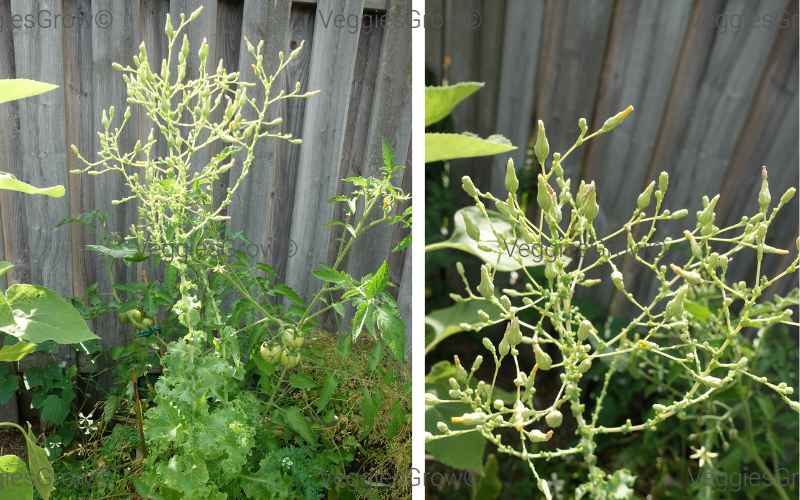
Lettuce plant that has bolted and started flowering
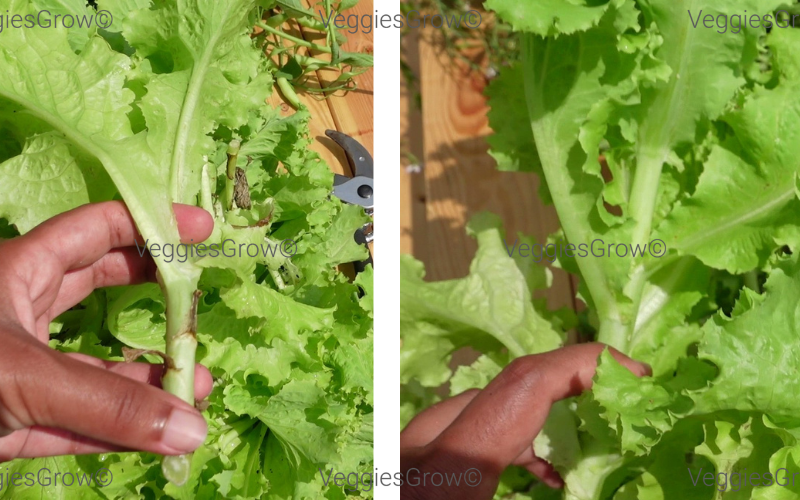
Bolted lettice plants have a thick stem and leaves grow along the stem
Collecting Seeds
Eventhough bolting stops lettuce plants from being edible, bolting is necessary for lettuce plants to flower and produce seeds.
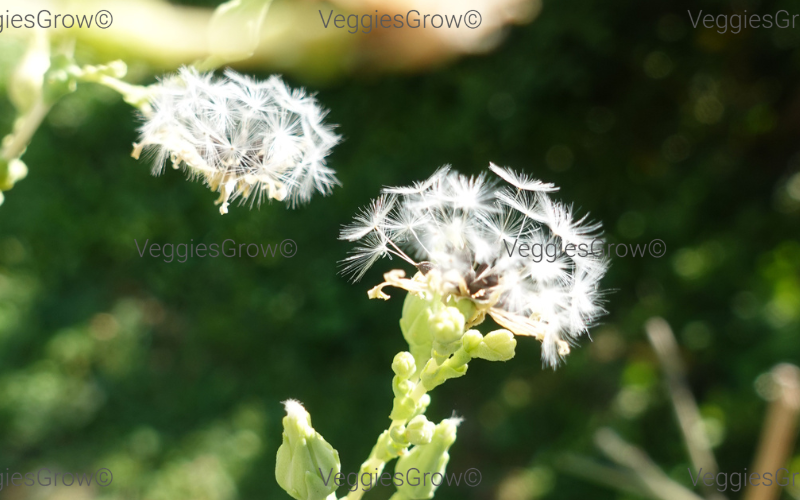
Lettuce seed head with about 20-25 seeds
Collecting your own lettuce seeds is just as easy as growing lettuce. A single bolted lettuce plant will produce many flowers and atleast a 1000 seeds, so you can just let one or two lettuce plants bolt to collect seeds you need for the next season.
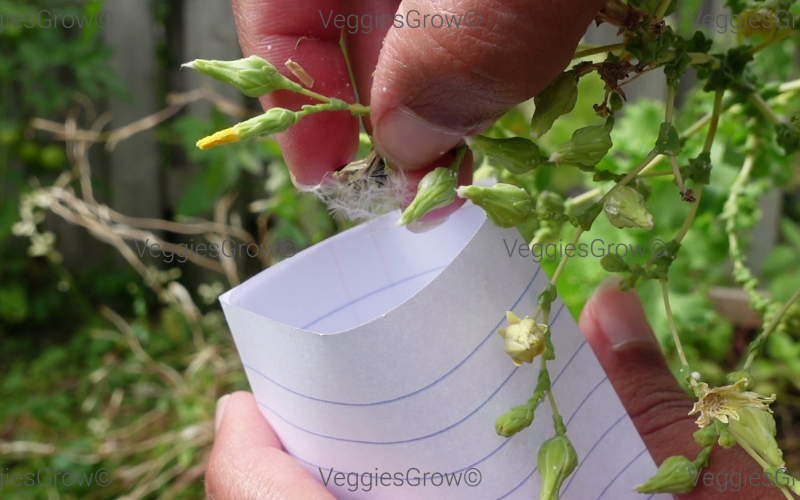
Lettuce seeds fly easily in the wind so you’ll need to collect them carefully